
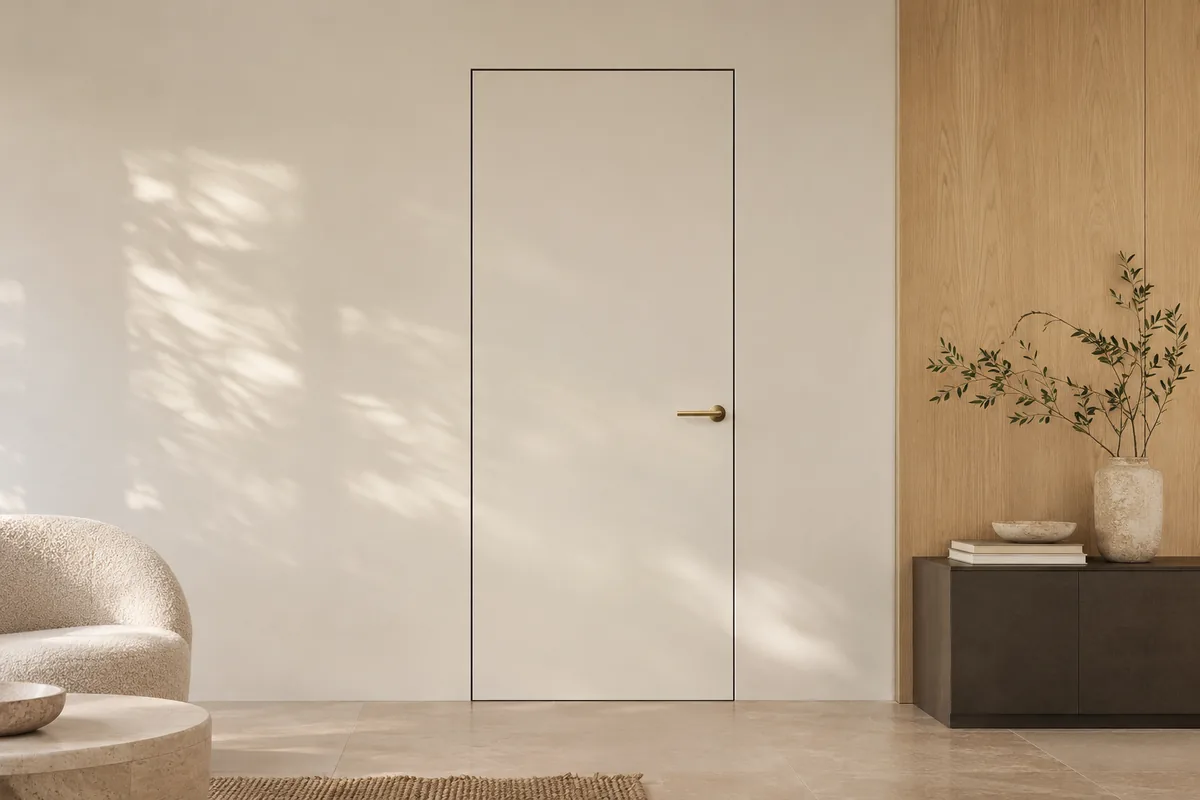
Image: AI-generated architectural concept illustration, not a completed Equinox Jambs installation.
A hidden door can blend into a painted wall, bring warmth through wood, or stand out as a deliberate design feature. The right finish depends on what you want the wall to do, not simply which door looks best in a sample book.
This guide compares three hidden door design approaches for modern interiors and explains which details to coordinate before you order. Start with the desired appearance, then check the door panel, jamb and hardware as one system.
A hidden or concealed door reduces the visible frame and trim around an opening. A flush-to-wall design aligns the closed door with a chosen wall face, while a narrow perimeter reveal still allows the door to move. “Hidden” describes the visual effect; it does not mean that every edge or handle disappears.
Equinox Zero-Edge aluminum jambs are designed for a trimless appearance. The finish on the door panel and the wall treatment complete the look. Decide which side should read as flush and how the door opens before selecting materials.
Choose a painted hidden door when you want the opening to recede into the room. Matching the wall color can reduce contrast, particularly along a hallway with several doors. The result still depends on surface texture, paint sheen and the light falling across the wall.
A wall and a door painted in the same color can look different if one is more reflective. Compare a finished door sample with the actual wall finish in daylight and under evening lighting. Ask the painter to confirm suitable preparation for each substrate; the door face, metal jamb and drywall may require different preparation.
Best fit: interiors where artwork, furniture or a view should remain the focus. For frequently touched doors, discuss cleanability and touch-up requirements before choosing the final coating.
A wood-faced door can preserve a flat, architectural profile while introducing grain and warmth. It does not need to disappear. You might contrast a wood door against a painted wall or coordinate it with nearby cabinetry for a more connected composition.
If the door is intended to blend into a wood-paneled wall, agree on grain direction, veneer selection, joint positions and the relationship between the door reveal and panel joints. Review a layout drawing rather than expecting separate samples to line up automatically.
Best fit: spaces where natural material is part of the design. Confirm the proposed door construction and finish with the supplier; a wood appearance does not establish whether the panel is solid timber, veneered or another construction.
A concealed frame can also support a door that is intentionally visible. A darker painted door against a lighter wall creates a clear focal point while keeping the doorway free of decorative casing. This approach can work when you want a room entrance to be easy to identify.
Wallpaper, decorative panels and textured finishes need more coordination. Before specifying an applied finish on a door, ask whether its thickness, added weight, edge treatment and fixing method are compatible with the selected panel, hinges and clearances. Do not assume a wall material is suitable for a moving door.
Best fit: a feature wall or a deliberately contrasting entrance. Review a sample and the door’s full movement before approving the finish.
There is no universal best finish. Consider the whole room, how often the door is used and how the finish will be maintained. A small sample approval is easier to revise than a finished opening.
A minimal-looking door still needs practical hardware. Confirm whether the opening requires passage, privacy or locking functions, then choose a handle that suits those needs. A decorative preference should not be the only reason for selecting a latch or pull.
Review concealed hinge options and door handles alongside the intended panel construction and finish. Added surface materials can change the panel’s weight and dimensions, so confirm compatibility rather than choosing hardware by appearance alone.
Use the trimless door measurement and ordering guide to prepare the opening dimensions, finished wall thickness, floor level and swing sketch. For installation sequencing, see why Zero-Edge jambs are planned before drywall finishing. Final dimensions and installation should follow the approved documentation for your selected configuration.
A painted door can be coordinated with the wall color, but sheen, texture and substrate preparation also affect the match. Confirm the finish specification with the door supplier and painter, and review samples under the room’s lighting.
A flush door design can incorporate a wood appearance where the selected panel and frame configuration support it. Confirm the actual door construction, finish availability, hinge compatibility and any panel-weight requirements before ordering.
Only specify wallpaper or another applied finish after checking compatibility with the door system. Its thickness, adhesive, edge treatment and movement clearances need review. Pattern alignment alone does not establish suitability.
Not necessarily. Which face aligns with the wall depends on the selected frame profile, wall construction and swing configuration. Show the intended flush face on your plan and confirm it with the supplier.
Bring your finish samples, wall details and swing sketch to Equinox Jambs before finalizing the door schedule. Explore the Zero-Edge catalog and contact our team about your project to confirm the product details for your proposed opening.